Margie Bucheit
Reviews for We Chose Resistance


“The author’s writing is superb in this novel, the imagery powerfully shaping the setting and the heavy atmosphere this era of history tends to lend itself. Yet it was the powerful themes explored in this story that stole the narrative, as well as the author’s ability to balance story and history with rich character dynamics and even a romantic relationship readers could dive into headfirst. The detail the author poured into history helped elevate the examination of how bigotry and hatred can quickly spiral into violence and control over a people or even a nation, a lesson that is especially powerful in today’s political climate. Heartbreaking revelations, shocking twists, and a heartfelt and emotionally driven cast of characters make this one book that brings a fresh perspective to WWII history in France and will make it impossible for readers to put down.”
—Pacific Book Review
"An extraordinary cast of characters bravely harasses the occupying Germans in this novel about the French resistance in WWII....An immersive, high-stakes read."
--Kirkus Reviews
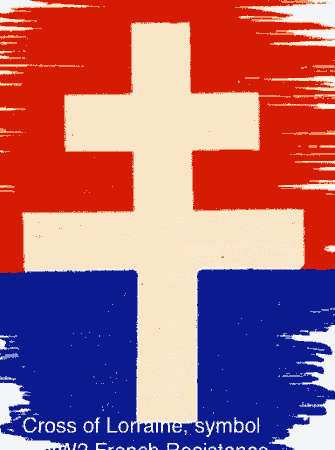
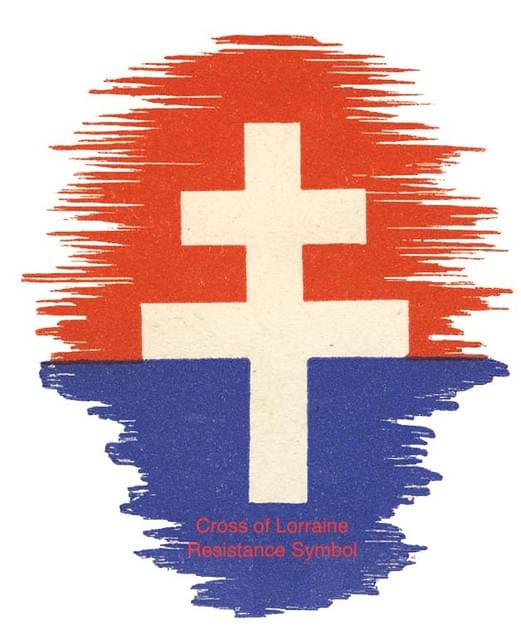
The Cross of Lorraine was first used as a symbol of Resistance in the 15th century. It once again became the symbol of Resistance for a Free France during World War Two. See author Pierre Guernier’s substack post about the history of this symbol: https://frenchmoments.substack.com/p/the-hidden-story-behind-the-cross
Better yet, dive into his book: The Cross of Lorraine, Two Thousand Years of History, Symbols and Resistance
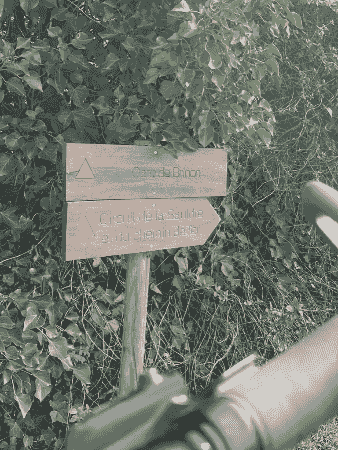
Dirt roads throughout France, known as chemins were once secret superhighways that allowed members of the French Resistance to simply appear and disappear like shadows into the surrounding forests. Today, they are favored by bikers and walkers. Maps of most are available at local tourism offices
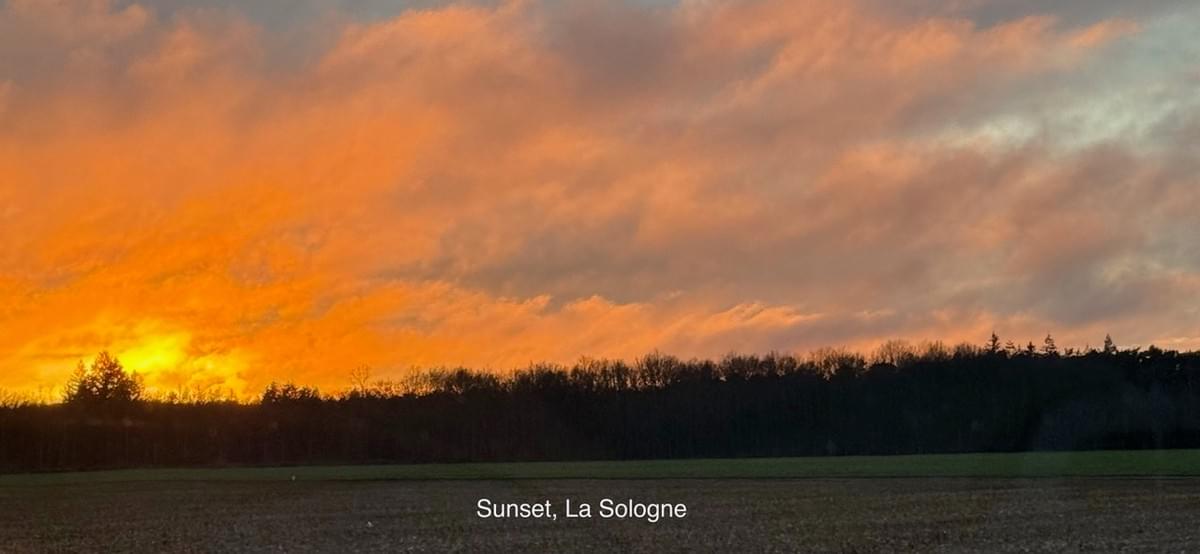
La Sologne in central France, is known for its vast forests, farms and quiet rural life. During World War Two, those same forests and farms hid members of the French Resistance who were determined to rid France of its occupying enemy—Hitler’s Reich.
Historical Fiction Summary
Although a work of fiction, We Chose Resistance is built on the heroic actions made by many in central France in the fourth year of World War Two. To free France from the tyranny of the Reich, a volunteer French Army fought back. It built training camps in the vast forests of France and held meetings in the back rooms of houses. Rural chateaux hid those targeted by the enemy. Underground networks formed to move targeted people, pass along news, post Resistance flyers on the walls of vacant buildings and forge new identities for those who needed them. This was a renegade army that fought on all fronts, using all avenues to reach the greater French population, to encourage others to not bow to the occupying regime. Bravely, and at great risk, Resistance members moved downed and injured Allied fighter pilots as well as those who were persecuted out of France and supplied them with counterfeit identity papers. Resistance posters were surreptitiously created in underground cellars and plastered on walls to encourage French citizens not to give up. With the Allies poised to advance their troops onto the beaches of Normandy and spread across Europe, the Loire Valley Resistance (as well as other circuits throughout France) planned sabotages and foils against the enemy to slow, confuse and stop, their ability to retaliate.
“I spent many years researching the French Resistance of the Loire region where I live for a portion of each year,” Bucheit explained. “Through interviews with those connected to the history-changing events that unfolded during one of the bloodiest wars ever fought, I learned that actions are important, particularly when it comes to a person’s core morality and beliefs. I hope my book informs others about what is at risk, and how others responded, when their peaceful, democratic, way of life was threatened.”
We Chose Resistance is a historical novel set during World War II that weaves together courage, loss, and moral conflict through the intertwined stories of those living under Nazi occupation in France. The book opens with Dee, a young Anglo-French woman trained as an agent and a sniper for Churchill’s Special Operations Executive (SOE), who parachutes into the Loire Valley in 1944. Her mission: to locate and reestablish contact with an elusive French Resistance leader whose intelligence has been crucial to the Allies. Separated from her equipment, hunted by German soldiers, and injured, Dee must rethink her strategy. Beneath her cold professionalism lies grief—for her parents who vanished years ago in a Nazi deportation. It is the reason for her decision to enlist in Churchill’s forces.
Parallel to Dee’s story runs that of a ten-year-old boy named Martin, the only child in a wealthy French family where the father collaborates with the Germans. The parent is head of the regional Milice (French militia supporting the Nazis), and Martin’s world is a web of contradictions because of his father’s decisions: Nazi officers are billeted in his home, tutorials with a German officer have replaced school in town with his former friends, his own conscience torn between obedience and truth. Martin witnesses his Jewish friend Aaron and family being smuggled to safety by a member of a Resistance circuit he knows operates in the woodlands near his home. An awakening begins. His father’s cruelty and betrayal of the French people deepen into hatred for what the Nazis represent.
The story’s alternating viewpoints connect when Dee’s search for her lost Resistance contact, Renard, is resolved. He slowly, and cautiously, draws her into his network. As D-Day nears, tension heightens and betrayals increase. Those who continue to risk aiding the Resistance are sought by the Milice. When Martin realizes that maps used by the enemy combatants who billet in his own home pinpoint the homes of local Resistance he considers friends, he decides to take action and help those he has come to trust more than his parents. Martin’s act of defiance becomes a turning point in the story.
Throughout, Bucheit depicts the brutal complexity of occupied France: priests and officials who collaborate or resist, families torn between survival and loyalty, and the blurred line between courage and vengeance. The narrative expands upon preparations before and after the D-Day invasion in a rural section of France, as a localized Resistance readies to do all possible to aid the Allied landings and progress across France into Germany. We Chose Resistance is in some ways a spy novel, but it is also a deeply human portrayal of conscience under tyranny—where heroism can take the form of silence, sacrifice, or a child’s choice to defy a parent.
We Chose Resistance is about the moral choices ordinary people make in extraordinary times. Through Dee’s bravery and Martin’s innocence, the story captures quiet acts of defiance that, together, shape history.
Buy The Book
Website created by Ben Feinblum Media


